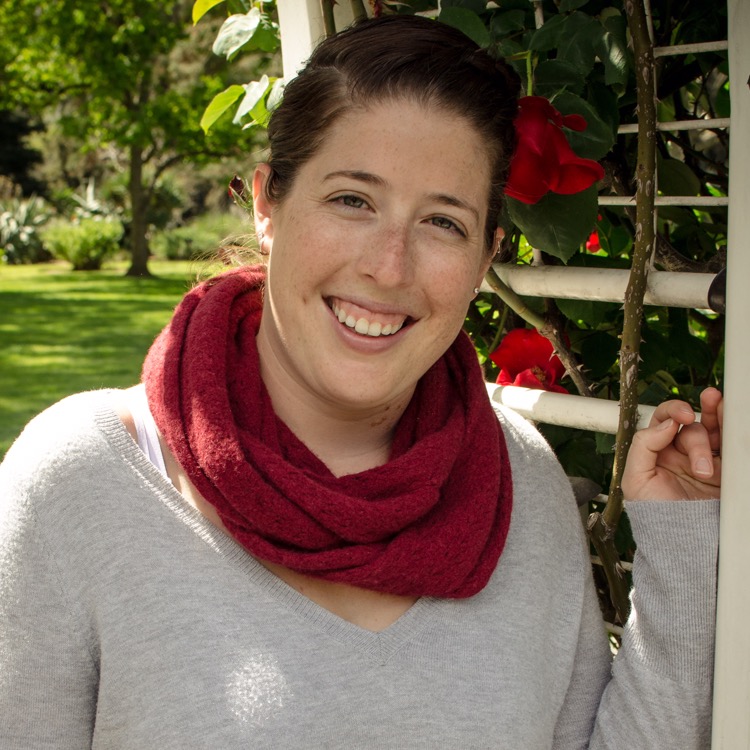
Photo Credit: Laura Loyola
My name is Katy Contreras and I am the owner and primary caregiver of A Second Home Family Daycare. I have a love for caring for infants and toddlers and a passion for supporting their development. I believe all children deserve a place to feel secure, loved, and encouraged while there parents have to work. With a strong adult relationship, I believe children are capable of anything!
I have my Bachelor’s in Psychology with a minor in Child Development for Cal Poly, San Luis Obispo and my Master’s in Counseling & Community Mental Health from Sonoma State. I have been working with children for over a decade in a variety of settings and roles; I have specifically worked with infants and toddlers in a classroom setting for over 5 years now. I started as a teacher’s assistant, then became a teacher, then a lead teacher, and ended my center-based career as a mentor/teacher for preschool, infant, and toddler teachers.
I am have held my Site Supervisor Permit through the state of California and I am first aid/CPR certified. I have been trained in both Toddler and Preschool CLASS and was a certified Preschool CLASS observer. I am PITC trainer certified in all four modules. I have have attended trainings and am knowledgeable in sensory disorders, DRDP, California Infant/Toddler Curriculum Framework, and reflective practice.
As an educator…
- I believe the core of infant and toddler care in relationship. At the center of children’s learning is having a safe and secure adult base to support them as they adventure out. Children need to know they are loved no matter what happens and that they are safe to be able to explore and discover their world.
- I believe families need to be respected and included in their child’s care; it’s a partnership and never a competition. Children’s families are their entire world in their young lives and their group care needs to be connected to that world.
- I believe in communication. Not only with parents about their children’s day to day and development, but with children as the foundation of language and conversation is built.
- I believe in the power of routine. This doesn’t mean a strict clock schedule that needs to be follow, but rather a natural rhythm to their day and the same way to transition from activity to actively can do wonders for children. When they aren’t worried about what comes next, children are able to focus on their play.
- I believe children are capable of taking charge of their own learning. Young children have big ideas, goals, and skill they are actively working on and need to space and freedom to do so. They are little scientists, constantly forming hypothesis on how the world works and testing. My job is to create a safe space and interesting materials for them to explore and investigate.
- I believe children can be autonomous at an early age. As children are developmentally ready, they are cleaning up messes, putting away laundry, setting the table, and serving their own food. Allowing children to practice these life skills, they gain confidence and a stronger sense of self.
- I believe in honoring children’s needs; when children’s needs are met they are happy kiddos. I see it as my job to figure out what those needs are and finding ways to fulfill them.
- I believe children’s behaviors are their way of communicating before they have the words to. Establishing a strong relationship where you really know the child and are able to “read between the lines” allows quality care to be possible.
- I believe that it’s most important for children to be curious and engaged. The ABCs and 123s will come with time. Fostering curiosity and excitement is what’s important in the early years; they need to love to learn first!
- I believe that my role as an educator is to provide an engaging environment and facilitate their skill development as needed. Children can direct their own play as they see fit; I may not have imagined the mixing bowls in the play kitchen as hats for a dance party but that doesn’t mean they aren’t still learning. The more children’s own ideas are supported, the more imagination and problem solving skills are fostered.
 A Second Home Family Daycare